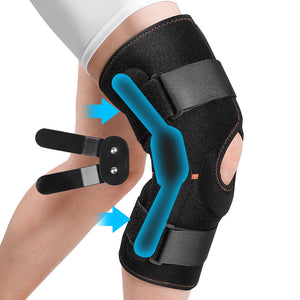
Sciatic Nerve Knee Brace
- Black
- Green
- Orange
- Pink
- Black
- Blue
- Green
- Red
- Orange
- Blue
- Dark Blue
- Black
- White
- Red
- Blue
- Black
- Blue
- Red
- Orange
- Yellow
- Black
- Blue
- Green
- Red
- Blue
- Black
- White
- Red
- Dark Blue
- Grey
- Black
- Blue
- Pink
- Grey
- Black
- White
- Light Black
- Black
- Light Grey
- Grey
- Magenta
- Black
- Green
- Black
- Grey
- Red
- Blue
How Do You Relieve Sciatic Nerve Pain in the Knee?
Sciatic nerve pain, commonly known as sciatica, is a remarkably common yet debilitating condition caused by compression, irritation, or inflammation of the sciatic nerve. As the longest and thickest nerve in the human body, the sciatic nerve originates in the lumbar spine (lower back), courses deep through the hips and buttocks, and branches along the back of each leg.
When someone experiences a sciatica flare-up, they often expect pain in their lower back. However, because of the nerve's extensive pathway, pain frequently radiates much further down. It is entirely common to feel sharp, shooting pain, numbness, or a burning sensation not only in the back and hips but also directly in the knee and all the way down into the foot. Relieving this distinct type of radiating discomfort, particularly around the knee joint, requires a well-rounded approach that addresses the root cause of nerve compression and alleviates localized symptoms.
Can a Lower Back Issue Really Cause Knee Pain?
Understanding the connection between your spine and your knee is the first step toward finding relief. Often, people mistake sciatic knee pain for a localized joint injury, such as a sprain or arthritis. However, if your knee pain is accompanied by lower back stiffness, buttock pain, or a tingling sensation that shoots down your leg, you are likely dealing with referred pain from the sciatic nerve. When the nerve is pinched at the spinal level—often due to a herniated disc, spinal stenosis, or a tight piriformis muscle—pain signals travel along the nerve pathway, manifesting as intense knee pain.
Effective Strategies to Relieve Sciatic Nerve Pain in the Knee
Managing and treating sciatica requires a multifaceted approach. By combining physical movement, targeted joint support, temperature therapy, and alternative treatments, you can dramatically reduce your daily discomfort.
1. Targeted Physical Therapy and Sciatica Exercises
One of the most effective, doctor-recommended ways to manage sciatic nerve pain is through physical therapy and specialized daily exercises. Gentle stretching and targeted strengthening exercises help relieve mechanical pressure on the sciatic nerve while improving your overall flexibility.
When dealing with knee pain caused by sciatica, focus on stretches that open the lower back, hips, and hamstrings. Tightness in the back of the thighs (hamstrings) or the hips (piriformis muscle) can severely exacerbate sciatic tension, pulling on the structures around the knee. Helpful movements include:
- Knee-to-Chest Stretches: Help stretch the lower back and relieve spinal compression.
- Piriformis Stretches: Loosens the gluteal muscles that often trap the sciatic nerve.
- Seated Hamstring Stretches: Releases tension in the back of the leg, reducing the pulling sensation behind the knee.
Note: It is always highly recommended to consult with a healthcare professional or physical therapist to identify a customized exercise routine that is safe and most effective for your specific condition.
2. Utilize Joint Support and Compression
When the sciatic nerve is irritated, the muscles in your leg can weaken, leading to a feeling of instability or sudden buckling in the knee joint. This is where external stabilization becomes incredibly beneficial.
Using a sciatic knee brace can provide significant relief and structural confidence during movement. This specialized support is designed to comfortably stabilize the knee joint while simultaneously supporting the surrounding fatigued muscles, tendons, and ligaments. By providing this much-needed reinforcement, the brace helps reduce the localized knee aching and discomfort directly associated with sciatic nerve fatigue.
Furthermore, when your knee is properly aligned and supported, it helps correct your gait. A limp or altered stride caused by leg pain can actually worsen lower back compression. Wearing a knee brace for sciatic nerve discomfort helps you maintain proper biomechanics, alleviating secondary pressure on the sciatic nerve and improving mobility and reducing pain during your daily activities.
3. Alternate Heat and Cold Therapies
The strategic application of temperature therapy is an excellent, non-invasive approach for relieving sciatic pain in the knee and lower back.
- Cold Therapy: Ice packs or cold compresses should be used to rapidly reduce acute inflammation and numb sharp, localized pain. Applying ice to the back of the knee or lower back for 15 to 20 minutes is especially useful after a long walk or physical exercise.
- Heat Therapy: In contrast, heating pads or warm, damp towels work wonders for relaxing tight, spasming muscles and significantly improving oxygen-rich blood circulation in the affected areas.
Alternating between these two methods—often referred to as contrast therapy—can provide a highly balanced and fast-acting approach to daily pain relief.
4. Alternative Treatments: Massage and Acupuncture
Alternative and holistic therapies are incredibly popular for managing stubborn sciatic nerve pain. Deep tissue massage therapy targets muscle knots and tension in the lower back, buttocks, and thighs, preventing those muscles from clamping down on the sciatic nerve.
Acupuncture, a traditional practice involving the insertion of ultra-fine needles into specific points on the body, is also widely praised for relieving nerve pain. Both methods help reduce systemic muscle tension, improve circulation, release endorphins (the body's natural painkillers), and promote deep relaxation, which collectively help soothe the nerve pathways running down to the knee.
Lifestyle Modifications to Prevent Sciatica Flare-Ups
To achieve long-term relief from sciatic knee pain, it is vital to address any underlying lifestyle habits that may be actively contributing to your nerve compression.
Improve Your Posture and Workspace Ergonomics
Prolonged sitting is one of the leading triggers for sciatica. Sitting places immense gravitational pressure on your lower spinal discs and gluteal muscles. If you work at a desk or drive for long hours, consider using ergonomic chairs with proper lumbar support to maintain the natural curve of your spine. Adjust your workspace so your feet rest flat on the floor, and your knees are at a 90-degree angle.
Move Frequently Throughout the Day
Avoid remaining sedentary for hours on end. Set a timer to remind yourself to take regular breaks—stand up, stretch your legs, and walk around for at least five minutes every hour. This simple habit keeps the spine lubricated and prevents the sciatic nerve from becoming statically compressed.
Optimize Your Sleep Position
Nighttime can be particularly difficult for sciatica sufferers, as sleeping in the wrong position can tweak the lower back and send shooting pain down to the knee. If you sleep on your side, place a firm pillow between your knees. This keeps your hips, pelvis, and spine perfectly aligned, relieving tension on the sciatic nerve. If you sleep on your back, place a pillow under your knees to maintain the natural arch of your lower back.
Weight Management
Carrying excess body weight, particularly in the midsection, shifts your center of gravity forward. This puts additional, constant strain on the lower spine and pelvis. Maintaining a healthy weight through a balanced diet and low-impact exercises—such as swimming or cycling—can significantly reduce the daily burden on your sciatic nerve.
Taking Control of Your Sciatic Discomfort
Relieving sciatic nerve pain in the knee ultimately involves a dedicated, multifaceted approach. By maintaining a consistent routine of specific stretching exercises, stabilizing the leg with targeted bracing, creatively applying heat and cold therapies, and making proactive ergonomic adjustments, you can effectively alleviate nerve compression. Listening to your body and modifying your daily habits will not only relieve the sharp knee pain but also promote a healthier, more resilient spine for years to come.