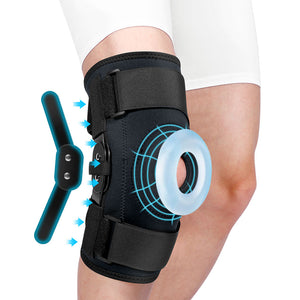
Knee Brace with Ice Pack
- Black
- Green
- Orange
- Pink
- Black
- Blue
- Green
- Red
- Orange
- Blue
- Dark Blue
- Black
- White
- Red
- Blue
- Black
- Blue
- Red
- Orange
- Yellow
- Black
- Blue
- Green
- Red
- Blue
- Black
- White
- Red
- Dark Blue
- Grey
- Black
- Blue
- Pink
- Grey
- Black
- White
- Light Black
- Black
- Light Grey
- Grey
- Magenta
- Black
- Green
- Black
- Grey
- Red
- Blue
How Long Do You Leave an Ice Pack on Your Knee?
Experiencing knee pain, joint stiffness, or sudden swelling can bring your daily routine to a grinding halt. Whether you are recovering from a recent sports injury, managing chronic joint discomfort, or simply soothing sore muscles after an intense workout, cold therapy is one of the most effective and highly recommended home remedies.
While applying a cold compress is a fantastic way to find relief, understanding the exact timing and proper techniques is crucial. Knowing how to properly ice your knee not only helps reduce inflammation quickly but also helps prevent unwanted skin damage.
The Ideal Timeframe: Perfecting Your Cold Therapy Routine
When it comes to managing knee joint inflammation and managing acute pain, timing is everything. Generally, it is highly recommended to apply an ice pack to the affected area for about 15 to 20 minutes at a time.
This specific timeframe is the sweet spot for targeted cold therapy. During these 15 to 20 minutes, the cold effectively penetrates the tissue, constricts local blood vessels, and slows down cellular metabolism. This physical reaction minimizes swelling, numbs sharp pain, and significantly reduces the buildup of excess fluid around the knee joint. Leaving the cold compress on for this duration ensures that you gain the maximum soothing benefits while keeping your skin and superficial nerves completely safe from cold-related damage.
Why Taking Breaks Between Sessions is Crucial
A common misconception in at-home joint recovery is that leaving ice on for longer periods will speed up the healing process. In reality, leaving an ice pack on your knee for more than 20 minutes can actually have the opposite effect. Prolonged exposure to freezing temperatures can severely restrict blood flow, potentially delaying the healing of damaged tissues.
Most physical therapy experts and wellness professionals advise taking strict breaks of 45 to 60 minutes between icing sessions. This resting period is critical because it allows your skin, muscles, and deeper tissues to gradually return to their normal core temperature. Giving your body this essential downtime helps you avoid severe complications like frostbite, tissue damage, or temporary nerve numbness.
Elevating Your Recovery with Targeted Compression Support
Managing an ice pack while trying to relax can sometimes be frustrating, especially if it keeps sliding off your leg. For individuals who frequently experience knee discomfort, arthritis flare-ups, or post-workout aches, upgrading your recovery routine with specialized supportive gear can be a life-changing investment.
Using a highly structured knee brace with an ice pack provides the ultimate combination of cold therapy and joint stabilization. This innovative design allows users to comfortably secure the cooling gel firmly around their knee, ensuring that the cold therapy stays perfectly in place—whether you are relaxing on the couch, working at your desk, or gently moving around the house.
The Dual Benefits of Brace Compression and Cold Therapy
The combined usage of targeted compression and a secure cooling mechanism does more than just hold the pack in place. The compression from the brace physically helps to squeeze excess swelling out of the joint, while the cooling effect numbs the pain. Many supportive wraps are designed specifically for this dual purpose, making it significantly easier to engage in light daily activities without sacrificing the efficacy of your treatment. It creates a hands-free, hassle-free recovery environment that conforms perfectly to the natural contours of your kneecap.
Best Practices for Icing Your Knee Safely
Even when using a highly effective joint wrap or a traditional ice bag, it is essential to follow safety guidelines to protect your skin and maximize healing.
Always Monitor Your Skin Condition
When using a cooling wrap, ensure you monitor your skin condition regularly throughout the 15 to 20-minute session. Check for any signs of excessive coldness, alarming skin discoloration (such as extreme redness or completely white patches), or unexpected numbness extending down your leg. If you notice any unusual symptoms, remove the cold source immediately and allow the area to warm up naturally at room temperature.
Use a Protective Fabric Barrier
Unless your cooling wrap already features a built-in protective fabric lining, you should never place raw ice or a frozen gel pack directly onto your bare skin. Always wrap your cold source in a thin towel or cloth. This simple step diffuses the extreme cold, providing a gentle, cooling sensation rather than a harsh, biting freeze.
Frequently Asked Questions About Knee Cold Therapy
How many times a day should I ice my knee?
During the first 48 to 72 hours of a sudden injury or acute pain flare-up, consistency is key. You can safely ice your knee four to five times a day, provided you strictly adhere to the 15- to 20-minute rule and take the necessary 45- to 60-minute warming breaks in between.
Should I use ice or heat for my knee discomfort?
Cold therapy is generally best for acute injuries, sudden swelling, and sharp pain that occurs right after physical activity. It acts as an incredible anti-inflammatory tool. Conversely, heat therapy is better suited for chronic joint stiffness, muscle tension, or warming up the knee before you stretch or exercise.
Does the RICE method still work?
Absolutely. Combining your cold therapy routine with the RICE protocol—Rest, Ice, Compression, and Elevation—is a highly effective way to manage joint pain. Elevating your leg above your heart while applying your cooling wrap leverages gravity to drain fluid away from the swollen joint much faster.
Maximize Your Mobility and Quality of Life
Addressing knee discomfort proactively is the best way to ensure long-term joint health. Cold therapy can be incredibly beneficial when used correctly and safely. By sticking to the recommended 15- to 20-minute icing windows, allowing your skin ample time to warm up between sessions, and using supportive tools that combine compression with cooling, you can reduce inflammation. Taking these smart, targeted steps will help you manage pain effectively, maintain your daily mobility, and vastly improve your overall quality of life.