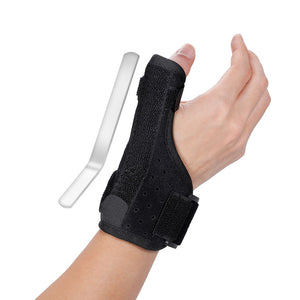
Heated Knee Support
- Black
- Green
- Orange
- Pink
- Black
- Blue
- Green
- Red
- Orange
- Blue
- Dark Blue
- Black
- White
- Red
- Blue
- Black
- Blue
- Red
- Orange
- Yellow
- Black
- Blue
- Green
- Red
- Blue
- Black
- White
- Red
- Dark Blue
- Grey
- Black
- Blue
- Pink
- Grey
- Black
- White
- Light Black
- Black
- Light Grey
- Grey
- Magenta
- Black
- Green
- Black
- Grey
- Red
- Blue
Does Heating Your Knee Help?
Whether you are dealing with daily stiffness, recovering from an old injury, or managing chronic joint discomfort, you might wonder if applying warmth is the right solution. Heating your knee can be incredibly beneficial, especially for individuals dealing with muscle tightness, limited mobility, or chronic pain conditions such as arthritis. Applying targeted heat to the knee increases localized blood flow, which in turn promotes faster healing, reduces muscle tension, and alleviates deep tissue discomfort. Furthermore, regular heat therapy can significantly improve flexibility and ease joint stiffness, making it much easier to perform daily movements without a hitch.
The Power of Consistent Warmth for Joint Health
When you apply warmth to an aching joint, it dilates the blood vessels. This process brings essential oxygen and nutrients to the affected area, flushing out metabolic waste that causes soreness. For those suffering from persistent knee aches, this therapeutic warmth is a natural and highly effective remedy.
A heated knee support is an excellent way to deliver consistent, soothing heat directly to the joint while simultaneously providing extra stability. This type of ergonomic wearable typically includes built-in heating elements designed to deliver targeted, penetrating warmth exactly where you need it most. The added heat safely relaxes the intricate network of muscles, tendons, and ligaments surrounding the kneecap. As these connective tissues loosen up, you will often experience reduced pain and noticeably improved mobility.
Managing Chronic Conditions and Everyday Aches
For individuals living with ongoing joint issues like osteoarthritis or recovering from overuse conditions like patellar tendinitis, managing daily discomfort is a top priority. Applying thermal therapy helps to lubricate the joint and calm irritated nerve endings. Utilizing a reliable heat knee support is highly beneficial for these chronic conditions, as the combination of structural reinforcement and continuous warmth can drastically ease pain and improve overall knee function. Instead of being confined to a couch with a traditional hot pad, wearable thermal wraps allow you to maintain your active lifestyle while receiving continuous, targeted therapy.
When to Apply Heat vs. Cold Therapy
Understanding the timing of thermal therapy is crucial for effective pain management and proper joint care. Heat therapy is particularly effective during the later stages of injury recovery or for soothing chronic, long-term conditions. However, it should generally not be used right after an acute physical trauma, such as a sudden sprain, tear, or strain. Applying heat immediately after an acute injury may increase inflammation and trigger additional swelling during the critical first 48 hours.
In the immediate aftermath of a sudden injury, ice therapy (cold therapy) is the recommended route to constrict blood vessels and reduce swelling. Once this initial swelling has subsided and the acute phase has passed, heat can become a highly helpful addition to your comprehensive recovery plan, encouraging tissue repair and restoring your full range of motion.
Safe and Effective Heat Application
Heating your knee can provide significant, long-lasting relief from persistent pain, morning stiffness, and workout-induced muscle tightness. Using a heated support can be one of the most convenient and effective ways to apply therapeutic heat directly to the affected area, all while offering the necessary stability and comfort for daily activities.
Best Practices for Thermal Therapy
To get the absolute best results from your joint therapy, always monitor the temperature to ensure it provides a soothing, comfortable warmth rather than intense, burning heat.
- Time Your Sessions: Apply the therapy in 15 to 20-minute intervals to maximize the benefits of localized blood flow without overstimulating or irritating the skin.
- Combine with Movement: Try doing gentle stretches after applying heat, as your muscles and ligaments will be more pliable and receptive to flexibility exercises.
- Listen to Your Body: Always follow the manufacturer's specific instructions for use, and consult a dedicated healthcare provider if you are ever unsure about the absolute best treatment approach for your unique joint condition.