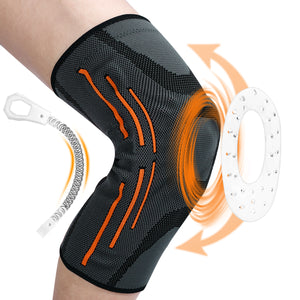
Plus Size KneeBrace
- Orange
- Blue
- Dark Blue
- Black
- Green
- Orange
- Pink
- Black
- Blue
- Green
- Red
- Green
- Black
- Grey
- Red
- Blue
- Black
- Blue
- Green
- Red
- Black
- White
- Red
- Blue
What Size Knee Pad Am I?
Selecting the right knee pad is absolutely essential when you are actively managing knee pain, recovering from a strain, or seeking reliable support during high-impact physical activities. However, a surprising number of people overlook one of the most critical aspects of this choice: finding the perfect size. Protective gear comes in a wide variety of sizes, and determining the correct fit will ultimately dictate how effective the support is for your joints.
If you have ever found yourself asking, "What size knee pad am I?", you are not alone. Understanding how to navigate sizing charts and taking accurate measurements of your legs can transform your daily comfort and athletic performance.
Why Getting the Right Fit is Crucial
The effectiveness of any joint support relies heavily on compression and stability. An ill-fitting knee pad can cause severe discomfort, hinder mobility, or even exacerbate existing joint issues.
The Risks of a Tight Fit
A knee pad that is too small will aggressively squeeze the leg. This can restrict healthy blood flow, leading to numbness, tingling, or severe skin irritation and chafing behind the knee joint. Over time, excessive tightness can do more harm than good, making it impossible to wear the gear for extended periods.
The Drawbacks of a Loose Fit
Conversely, if your gear is too large, it will constantly slide down your leg while you walk, run, or bend. A loose pad fails to provide the necessary targeted compression, meaning your patella (kneecap) and surrounding ligaments will not receive the stabilization they need to absorb shock and prevent injury.
How to Measure Your Knee Properly: A Step-by-Step Guide
To ensure you get the maximum benefit from your protective gear, you need to measure your knee accurately. Guessing your size based on your pant size or overall body weight often leads to poorly fitting gear. Follow these simple steps:
- Find the Right Tools: Grab a flexible, soft measuring tape. If you do not have one, you can use a piece of string and measure it against a standard rigid ruler afterward.
- Position Yourself Correctly: Stand up straight with your leg slightly bent (at about a 30-degree angle). This mimics the natural position of your leg during movement and allows your muscles to expand naturally.
- Take the Measurement: Wrap the measuring tape around the exact center of your kneecap. Make sure the tape is snug against your skin but not biting into it.
- Check the Thigh and Calf: Many brands also recommend measuring about four to five inches above the kneecap (the lower thigh) and four inches below (the upper calf) to ensure the top and bottom bands will sit comfortably without rolling down.
- Consult the Size Chart: Compare your specific circumference measurements with the brand's sizing guidelines. Sizes typically range from small to extra-large.
Finding the Perfect Fit for Larger Legs
For many athletes, weightlifters, or individuals with naturally broader or more muscular legs, standard sizing charts might fall short. If your measurements exceed the standard large or extra-large sizes, forcing your leg into a smaller size will only lead to frustration and skin pinching.
For those who require a little extra room, it is highly recommended to look into plus size kneebraces. These specialized supports are engineered to accommodate larger measurements seamlessly, offering the exact same elite level of joint stabilization, shock absorption, and protection as standard sizes.
Plus-size knee braces are particularly beneficial because they are tailored for fuller body shapes. They typically feature wider adjustable straps, more extensive coverage around the joint, and reinforced stitching to prevent the fabric from rolling down the thigh. Because they often include highly customizable hook-and-loop closures, the wearer can easily adjust the level of compression throughout the day as their activity levels change.
Choosing the Right Support Based on Your Activity
Beyond just sizing, it is important to consider your specific daily needs and activity levels.
- High-Impact Sports: If you require support for aggressive activities like basketball, volleyball, or heavy weightlifting, look for thick, shock-absorbing padding that offers robust lateral stability.
- Everyday Wear and Chronic Pain: If you are managing daily joint stiffness, arthritis, or recovering from a minor strain, a lighter, flexible compression sleeve might be the ideal choice. These offer gentle, continuous support that easily fits beneath your everyday clothing.
Material Matters: Enhancing Breathability and Comfort
Even with the perfect size, the material of your knee pad will dictate how long you can comfortably wear it. Always look for breathable, moisture-wicking fabrics, such as premium neoprene blends or specialized knit materials. These fabrics actively pull sweat away from the skin, helping to keep your knees cool and dry during intense workouts or hot summer days.
Additionally, pay attention to extra design features. Many modern supports incorporate integrated gel cushioning around the patella to disperse pressure, or flexible side stabilizers that improve structural integrity without limiting your natural range of motion. Silicone grip strips along the inner top edge are also incredibly helpful for preventing the fabric from slipping down your thigh during rigorous movement.