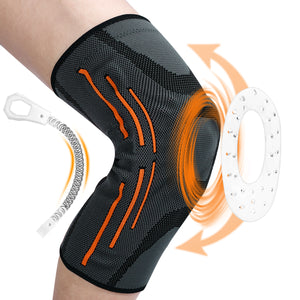
Patellofemoral Knee Brace
- Black
- Green
- Orange
- Pink
- Black
- Blue
- Green
- Red
- Orange
- Blue
- Dark Blue
- Black
- White
- Red
- Blue
- Black
- Blue
- Red
- Orange
- Yellow
- Black
- Blue
- Green
- Red
- Blue
- Black
- White
- Red
- Dark Blue
- Grey
- Black
- Blue
- Pink
- Grey
- Black
- White
- Light Black
- Black
- Light Grey
- Grey
- Magenta
- Black
- Green
- Black
- Grey
- Red
- Blue
Is Compression Good for Patellofemoral Syndrome?
Patellofemoral syndrome (PFS), widely known as runner's knee, is one of the most common causes of anterior knee pain. Characterized by a dull, aching pain in the front of the knee and around the kneecap (patella), PFS is frequently triggered by high-impact or repetitive activities. Running, squatting, climbing stairs, or even prolonged periods of sitting with bent knees can cause significant discomfort. This condition typically arises from a combination of overuse, muscle imbalances, poor patellar tracking, and structural abnormalities in the leg alignment.
For those dealing with this frustrating condition, finding effective, non-invasive relief is a top priority. One highly effective and medically supported way to manage these symptoms is through the targeted use of compression therapy.
How Compression Therapy Targets Anterior Knee Pain
Compression therapy works by applying gentle, consistent pressure to the soft tissues surrounding the knee joint. This targeted pressure provides external support and stability, while simultaneously improving local blood circulation in the affected area. Increased blood flow delivers vital oxygen and nutrients to overworked tendons and ligaments, accelerating the body's natural recovery process.
For active individuals and daily commuters alike, using high-quality knee compression braces can be a vital component of a pain management strategy. These supportive garments help maintain joint warmth, which keeps the surrounding muscles and ligaments flexible, ultimately reducing the stiffness often associated with patellofemoral pain.
The Functional Benefits of a Patellofemoral Knee Brace
The primary mechanical issue in patellofemoral syndrome is often irregular patellar tracking—meaning the kneecap does not glide smoothly within its designated groove on the femur. This friction leads to inflammation, swelling, and sharp pain during movement.
Wearing a targeted patellofemoral knee brace can significantly alleviate this pain and enhance daily mobility. These specialized supports are meticulously designed to apply uniform pressure around the entire knee joint. By doing so, they help stabilize the patella manually, ensuring it stays properly aligned during flexion and extension. This stabilization reduces the excessive, erratic movements that irritate the underlying cartilage and exacerbate PFS symptoms.
Furthermore, the immediate pain relief provided by compression cannot be overstated. The snug fit of the fabric helps reduce localized swelling (edema) and provides vital cushioning against minor impacts. This makes everyday activities—such as walking the dog, navigating steps, or performing household chores—much more manageable.
Overcoming the Mental Hurdle: Psychological Support
While the physical advantages of compression are clear, the psychological benefits of wearing joint support should never be overlooked. Knee injuries and chronic conditions like PFS often lead to kinesiophobia, which is the fear of movement. Many individuals experience intense anxiety regarding their knee health, worrying that a simple misstep might trigger a severe pain flare-up.
Putting on a compression knee brace can offer an immediate, tangible sense of security. The proprioceptive feedback—the brain's awareness of the knee's position in space, enhanced by the feeling of the brace against the skin—boosts confidence. This psychological reassurance encourages patients to safely resume physical activities, sports, and exercise routines that they may have previously abandoned out of fear of re-injury.
Building a Comprehensive Recovery Plan
It is essential to understand that while compression is a powerful tool for immediate relief and joint support, it should not be treated as a standalone cure. For long-term success and permanent pain relief, a brace must be used as part of a broader, comprehensive treatment plan.
To fully overcome patellofemoral syndrome, consider integrating the following strategies:
Targeted Physical Therapy
Strengthening the muscles that support the knee is crucial. Focus on exercises that target the quadriceps (specifically the vastus medialis oblique, or VMO), hamstrings, and hip abductors. A stronger muscular framework naturally improves patellar tracking.
Stretching and Flexibility
Tight hamstrings, calves, and iliotibial (IT) bands can pull the kneecap out of alignment. Incorporating a daily stretching routine or utilizing a foam roller can relieve this muscular tension.
Lifestyle and Footwear Modifications
Evaluating your footwear is critical, as flat feet or worn-out running shoes can alter your gait and put excess stress on your knees. Consider supportive insoles and modifying your training volume to avoid immediate overuse.
Consulting a healthcare provider, orthopedic specialist, or licensed physical therapist is always recommended. They can provide a proper diagnosis, correct any biomechanical issues, and help determine the absolute best approach for your individual case of PFS.
So, is compression good for patellofemoral syndrome? The answer is a resounding yes. Compression therapy stands out as a highly valuable, accessible tool in managing the daily struggles of runner's knee. It offers crucial joint support, reduces debilitating pain, combats swelling, and enables individuals to regain absolute confidence in their knee function. However, optimal and lasting results are always achieved when targeted compression is combined with appropriate physical rehabilitation, sensible lifestyle adjustments, and professional medical guidance.