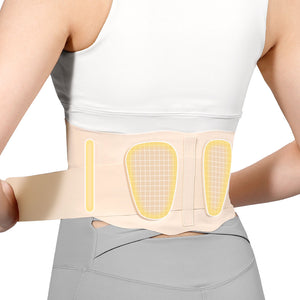
Orthopedic Knee Brace
- Black
- Green
- Orange
- Pink
- Black
- Blue
- Green
- Red
- Orange
- Blue
- Dark Blue
- Black
- White
- Red
- Blue
- Black
- Blue
- Green
- Red
- Dark Blue
- Grey
- Black
- Blue
- Pink
- Grey
- Black
- White
- Light Black
- Black
- Light Grey
- Grey
- Magenta
- Black
Do Knee Braces Stop Knee Pain?
Knee pain is a highly common concern that disrupts the daily lives of countless people, from dedicated athletes pushing their limits to everyday individuals simply trying to stay active. Whether you are dealing with a sudden injury, a chronic condition, or general soreness after a long walk, you have likely looked for effective relief for your joints. One of the most popular solutions considered for alleviating this discomfort is the use of knee braces. But do they actually stop the pain?
Understanding How Knee Supports Alleviate Discomfort
To understand whether a brace can stop your pain, it is important to look at the mechanics of how these supports interact with your body. When you experience knee pain, it is often due to inflammation, ligament strain, or excess pressure on a specific part of the joint. Knee supports help mitigate these issues through several key mechanisms:
- Compression: Snug, elastic materials apply gentle pressure around the joint. This compression enhances blood circulation, which helps reduce swelling and promotes faster healing in the affected area.
- Stability: By holding the joint tightly in place, a brace prevents unwanted lateral or twisting movements that could aggravate an existing injury.
- Load Distribution: Certain structural supports help shift weight away from the most damaged or sensitive areas of the knee, reducing immediate stress and friction.
The Role of an Orthopedic Knee Brace in Your Recovery
When navigating the vast array of joint supports, it is crucial to select one that matches your specific physical needs. An orthopedic knee brace is specifically designed to assist with a wide variety of knee ailments, ranging from mild sprains and strains to complex post-surgical recovery.
These braces work by providing strong support to the knee joint and reducing the mechanical stress on the injured area. Because no two injuries are exactly alike, the structure of these braces varies significantly. Some feature rigid frames and hinges to completely restrict harmful movements after surgery, while others are crafted from flexible, breathable elastic materials. This variety ensures that users can find the exact level of support required for their unique anatomical needs.
Benefits for Athletes and Active Individuals
For runners, basketball players, and fitness enthusiasts, joint health is a top priority. High-impact sports place immense stress on the lower body. For athletes, wearing a well-supported knee garment can dramatically decrease the likelihood of traumatic injuries during play, such as meniscus tears or ligament sprains.
Furthermore, if an athlete is recovering from a condition such as runner’s knee or tendonitis, the stabilizing warmth and compression provided by the brace can help keep the joint fluid and flexible. This not only dulls the sharp pain associated with movement but also facilitates a much safer, gradual return to normal physical activity.
Relief for Chronic Joint Issues
It isn't just athletes who benefit from these supports. For individuals managing age-related joint wear-and-tear or conditions like osteoarthritis, daily movements can become incredibly painful. While a brace cannot reverse joint degeneration, it can successfully manage the pain by providing a comforting layer of stability, giving users the confidence to walk, climb stairs, and perform household tasks with less hesitation.
Are Knee Braces a Permanent Fix?
While wearing a knee brace can provide excellent temporary relief and essential support, it is important to address a common misconception: a brace is not a standalone cure.
Wearing a support sleeve or hinged brace should never replace a comprehensive treatment plan. If you rely entirely on a brace to do the heavy lifting for your joint every day, you risk developing muscle weakness over time. When the external support does all the stabilizing, the surrounding muscles—specifically the quadriceps and hamstrings—may compensate less and begin to atrophy.
Building a Comprehensive Knee Health Strategy
To truly stop knee pain and prevent it from returning, structural support must be combined with active rehabilitation. A successful journey to long-term knee health should include:
- Physical Therapy: Working with a professional to improve joint mobility and correct posture imbalances.
- Targeted Strengthening Exercises: Building up the muscles around the knee to act as a natural, internal brace.
- Proper Rest and Recovery: Allowing inflamed tissues adequate time to heal using methods like icing and elevation.
- Weight Management: Reducing the overall daily load your lower-body joints have to bear.