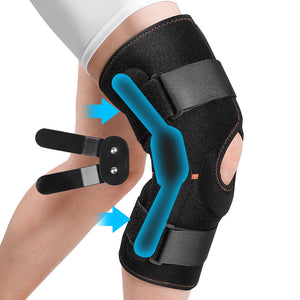
Professional Knee Brace
- Black
- Green
- Orange
- Pink
- Black
- Blue
- Green
- Red
- Orange
- Blue
- Dark Blue
- Black
- White
- Red
- Blue
- Black
- Blue
- Red
- Orange
- Yellow
- Black
- Blue
- Green
- Red
- Blue
- Black
- White
- Red
- Dark Blue
- Grey
- Black
- Blue
- Pink
- Grey
- Black
- White
- Light Black
- Black
- Light Grey
- Grey
- Magenta
- Black
- Green
- Black
- Grey
- Red
- Blue
How Do I Know if I Tore My Meniscus?
Knee pain can be a frustrating and debilitating experience, especially when it disrupts your active lifestyle. If you have recently twisted your knee during a pickup basketball game, felt a sudden pop while doing yard work, or simply noticed a gradual increase in knee discomfort, you might be asking yourself: How do I know if I tore my meniscus?
The meniscus is a vital C-shaped piece of tough, rubbery cartilage that sits between your thigh bone (femur) and shinbone (tibia). Each of your knees has two menisci—one on the inner side (medial meniscus) and one on the outer side (lateral meniscus). They act as crucial shock absorbers, evenly distributing your body weight across the knee joint and providing essential stability. When this cartilage becomes damaged, it can drastically impact your mobility and overall quality of life.
Recognizing the early warning signs of a torn cartilage is the first step toward a proper diagnosis, effective treatment, and a safe return to your favorite activities.
Common Causes of a Meniscus Tear
Understanding how these injuries occur can help you determine whether your specific incident aligns with a typical meniscus injury. Tears generally fall into two broad categories:
Acute Traumatic Tears
These are incredibly common in contact sports or activities requiring sudden changes in direction. A traumatic tear frequently occurs when you aggressively twist or rotate your knee while your foot remains firmly planted on the ground. Sudden stops, deep squatting, or taking a heavy physical impact to the side of the leg can also trigger an acute tear.
Degenerative Meniscus Tears
As we age, the cartilage in our joints naturally weakens, dries out, and grows thinner. For older adults, a degenerative meniscus tear can happen with minimal to no trauma. Something as simple as awkwardly getting up from a chair, squatting to pick up a box, or stepping unevenly off a curb can be enough to tear weakened knee cartilage.
Tell-Tale Signs and Symptoms of a Meniscus Tear
If you are wondering whether your knee pain is just a minor sprain or a more significant cartilage issue, look out for the following distinctive symptoms:
1. A Noticeable "Pop"
Many individuals report hearing or feeling a distinct popping sensation in their knee at the exact moment of injury. While you might still be able to walk or even finish your workout immediately after the pop, the joint will progressively stiffen over the next few days.
2. Localized Joint Pain
Pain is one of the most prominent indicators of a tear. The discomfort is usually isolated to the specific side of the knee where the tear occurred (either the inner or outer edge). This sharp or aching pain often intensifies when you apply pressure to the joint, such as when squatting, kneeling, pivoting heavily, or trying to bend the knee beyond a certain angle.
3. Swelling and Stiffness
Unlike a ligament injury, which might swell up instantly, swelling from a damaged meniscus typically develops gradually. You may notice your knee becoming puffy, tight, and swollen within the first 24 to 48 hours following the incident. Monitoring this swelling is critical; excessive or rapid fluid buildup could point to a more complex joint trauma.
4. Catching, Locking, or Buckling
Mechanical symptoms are a major red flag for a meniscus injury. When a loose, torn fragment of cartilage drifts into the joint space, it can physically block the knee's normal mechanics. You might experience:
- Locking: The knee gets physically stuck, preventing you from fully straightening your leg.
- Catching: A sensation that something is briefly snagging inside the knee when you bend it.
- Giving Way: A sudden feeling of instability, as if the knee is buckling or collapsing under your own body weight.
Diagnosing a Torn Meniscus
If you are experiencing the symptoms mentioned above, especially the inability to bear weight on the injured leg or a frequent locking sensation, consulting an orthopedic specialist or physical therapist is highly recommended. A healthcare provider will typically perform specific physical examinations, bending and gently rotating your knee to pinpoint the exact source of the pain. To confirm the diagnosis and rule out other issues, such as bone fractures or advanced arthritis, they may also order imaging tests, such as an MRI or an X-ray.
Treatment and Recovery Options
The good news is that not every torn meniscus requires surgery. The treatment path largely depends on the size of the tear, its exact location, and your daily activity level.
Non-Surgical Conservative Treatment
For minor tears, particularly those located on the outer edge of the meniscus (which has a richer blood supply and better natural healing potential), conservative management is often highly successful. This generally starts with traditional at-home protocols:
- Rest: Avoid activities that aggravate the pain, such as high-impact sports.
- Ice: Apply cold packs to reduce swelling and numb the pain.
- Compression: Lightly wrap the knee to prevent excessive fluid buildup.
- Elevation: Prop your leg up above heart level while resting.
Physical therapy is also a cornerstone of recovery, helping to strengthen the quadriceps and hamstrings so your muscles can better support the compromised knee joint.
The Role of Knee Support
During the healing process, safeguarding the joint from further physical stress is paramount. Many active individuals and recovering patients discover that wearing a specialized brace provides immense relief. Using a thoughtfully designed knee brace for a torn meniscus provides targeted compression, reinforces joint stability, and can significantly reduce pain during everyday movements.
Whether you are managing symptoms conservatively or navigating post-operative recovery, added support is highly beneficial. Wearing a dependable knee brace for a meniscus tear helps manage inflammation and boosts your overall joint confidence, allowing for a safer, more gradual reintroduction of physical stress to the knee without jeopardizing your rehabilitation timeline.
Surgical Intervention
If conservative treatments fail to alleviate the pain after a few months, or if you have a severe tear causing your knee to lock persistently, arthroscopic surgery might be necessary. This minimally invasive procedure allows a surgeon to either trim away the damaged, unrepairable cartilage or carefully stitch the torn edges back together to preserve the meniscus.
Listening to Your Body
Paying close attention to the signals your body sends is the most important factor in your recovery journey. Joint injuries should never be brushed aside. If you suspect you have damaged your cartilage, do not attempt to just "push through the pain." Addressing knee discomfort early on, seeking a professional diagnosis, and using practical supportive tools can lay a firm foundation for a successful recovery and a lasting return to the active lifestyle you love.