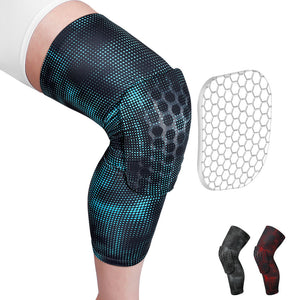
The Best Knee Sleeves
- Black
- Green
- Orange
- Pink
- Black
- Blue
- Green
- Red
- Orange
- Blue
- Dark Blue
- Black
- White
- Red
- Blue
- Black
- Blue
- Red
- Orange
- Yellow
- Black
- Blue
- Green
- Red
- Blue
- Black
- White
- Red
- Dark Blue
- Grey
- Black
- Blue
- Pink
- Grey
- Black
- White
- Light Black
- Black
- Light Grey
- Grey
- Magenta
- Black
- Green
- Black
- Grey
- Red
- Blue
What is the Best Knee Compression Sleeve?
Whether you are an avid runner pounding the pavement, a dedicated weightlifter pushing your limits in the gym, or someone simply seeking daily relief from stiff and aching joints, joint protection is paramount. For reliable knee support, injury prevention, and improved athletic performance, many people turn to knee compression sleeves. These dynamic garments provide essential compressive support, significantly improve blood circulation, and alleviate the nagging pain associated with various common conditions such as arthritis, tendonitis, meniscus tears, or ligament sprains.
However, with an overwhelming array of options available on today's market, you might find yourself wondering: what is the best knee compression sleeve for your unique physical needs?
To find the ideal fit for your active lifestyle or recovery journey, consider several key factors that influence performance, everyday comfort, and overall durability. When searching for the best knee sleeves, carefully evaluate how these factors align with your fitness goals and pain-management needs.
Key Factors to Consider for Optimal Knee Support
Finding the perfect balance of flexibility and joint stability requires a closer look at how these accessories are constructed. Keep these elements in mind when shopping for your next athletic support accessory.
Material: Balancing Comfort, Durability, and Breathability
The fabric composition of a knee sleeve plays a significant role in both immediate comfort and long-term durability. Different textiles serve different purposes, so match the material to your environment and activity level.
- Neoprene: Commonly used materials like premium neoprene offer an excellent blend of flexibility and thermal warmth, making them ideal for providing heavy-duty support and soothing comfort to stiff joints. Neoprene is also naturally water-resistant and incredibly durable, offering long-lasting wear even through grueling workout sessions. The natural heat retention helps keep the joint lubricated, which is a massive benefit for heavy lifting, squatting, or outdoor cold-weather activities.
- Spandex and Polyester Blends: Alternatively, some knee sleeves use a specialized blend of spandex, nylon, or polyester for a lighter, more breathable option. These fabrics are exceptionally well-suited for warmer climates, extended daily wear, or cardio-heavy routines. These innovative materials can help wick away moisture and prevent odor buildup, which is especially important for athletes who do high-intensity activities like long-distance running, basketball, hiking, or cycling.
Size and Fit: Preventing Slippage and Maximizing Mobility
Even the most advanced moisture-wicking fabric won't help if the fit is wrong. Proper sizing is the absolute foundation of effective joint support. A sleeve that is too tight may cause severe discomfort, restrict essential blood flow, or even lead to further injury by pinching the skin and nerves. Conversely, a garment that is too loose will inevitably slide down your leg, failing to provide the necessary support and targeted compression.
When selecting a knee sleeve, always refer to the manufacturer's sizing chart, as sizing standards can vary dramatically from one brand to another. To ensure a snug, anatomical fit, use a flexible measuring tape to measure the circumference of your mid-thigh and calf before you buy.
Compression Level: Matching Support to Your Routine
The right compression level depends largely on your daily activity level and the severity of your injury or discomfort. Understanding these different grades will help you maximize joint pain relief and boost your athletic performance.
- Light Compression: This level is purposefully designed to offer mild, comfortable support and relieve minor pain, fatigue, or discomfort from everyday wear. It is a fantastic choice for individuals who spend long hours on their feet at work. It can also help prevent joint strain during low-impact activities like walking, light jogging, or casual cycling around the neighborhood.
- Moderate Compression: This grade offers noticeably more support, which is especially helpful for managing localized swelling and providing vital structural stability during moderate to intense exercise. If you're doing dynamic movements such as cross-training, running, or weightlifting, moderate compression helps keep your patella aligned without restricting your full range of motion.
- High Compression: Often used in structured rehabilitation programs or for more serious musculoskeletal injuries, high-compression sleeves provide firm, unyielding support. They are engineered to help reduce swelling and inflammation by improving blood circulation and oxygen delivery to damaged tissues. This stringent level of compression is often recommended for post-injury recovery phases, post-surgery stabilization, or for those suffering from persistent chronic conditions like osteoarthritis.
Maximizing the Lifespan of Your Joint Protection Gear
To maintain the elasticity and hygiene of your compression wear, proper care is vital. Always hand-wash your gear in cold water with mild detergent, then air-dry completely. Exposing the fabric to the high heat of a tumble dryer can quickly break down the elastic fibers, significantly reducing the compressive benefits over time.
Investing in the right athletic recovery gear is a proactive step toward maintaining your mobility and overall quality of life. By paying close attention to fabric composition, getting the right measurements, and choosing the appropriate compression grade, you can confidently protect your knees and stay active for years to come.