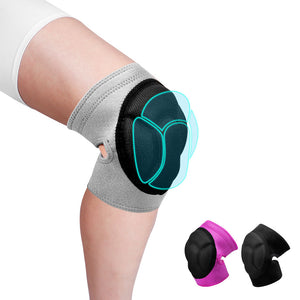
Lineman Knee Brace
- Blue
- Pink
- Grey
- Black
- Black
- White
- Red
- Blue
- Green
- Black
- Grey
- Red
- Blue
- Blue
- Black
- White
- Red
- White
- Light Black
- Black
- Light Grey
- Black
- Blue
- Red
- Orange
- Yellow
- Orange
- Blue
- Dark Blue
- Black
- Blue
- Green
- Red
- Black
- Blue
- Green
- Red
- Black
- Green
- Orange
- Pink
- Dark Blue
- Grey
- Black
- Grey
- Magenta
- Black
Why Do Linemen Wear Knee Braces?
In the high-stakes world of American football, the battle is won and lost in the trenches. Offensive and defensive linemen play a pivotal role, tasked with protecting the quarterback, overpowering defenders, and opening up explosive running lanes. Given the intense physicality of the sport, these athletes endure massive impacts, making injury prevention a top priority. One of the most effective safety measures taken by these heavy-hitting players is wearing specialized joint support. But what specifically drives this choice, and why is this protective equipment considered essential on the gridiron?
The Brutal Reality of the Trenches
A lineman's daily routine involves massive collisions, rapid lateral movements, and absorbing the brute force of opponents who often weigh upwards of 300 pounds. The knee is widely regarded as one of the most vulnerable joints in football. When a lineman plants their foot in the turf to block or tackle, the sheer strength, weight, and torque generated place tremendous strain on the ligaments and tendons. One awkward twist, a pile-up, or a lateral hit to the leg can cause severe, season-ending damage.
Injury Prevention: The First Line of Defense
The primary reason players armor up their legs is to prevent devastating injuries. Ligament tears—such as ACL (anterior cruciate ligament) and MCL (medial collateral ligament) sprains—along with meniscus damage, are incredibly common in contact sports. A well-constructed football lineman knee brace acts as an external shock absorber. It is strategically engineered to distribute dangerous forces away from vulnerable areas. By providing robust structural support to the sides and front of the knee joint, this stabilizing mechanism dramatically reduces the likelihood of severe trauma during high-speed, high-impact plays.
Why Prophylactic Bracing is Crucial for the Gridiron
While many athletes only seek out support after they get hurt, modern football has seen a massive shift toward prophylactic, or preventative, bracing. By incorporating premium knee braces into their mandatory game-day uniform, linemen actively defend against hyperextension and dangerous lateral bending before a problem ever occurs. This proactive approach ensures they stay off the sidelines and on the active roster throughout a grueling season.
Aiding in Post-Injury Rehabilitation and Recovery
For athletes who have already endured the difficult process of joint surgery or injury rehabilitation, wearing support gear is virtually non-negotiable. As these players return to the field, the brace facilitates safe movement, allowing them to rebuild strength and mobility while severely minimizing the risk of re-injury. It also provides vital physical feedback, serving as a constant reminder to the athlete to be mindful of their biomechanics as they work their way back to peak form.
Psychological Benefits: Boosting Player Confidence
Beyond the physical biomechanics, there is a massive psychological component to protective athletic gear. The fear of getting hurt can cause hesitation, and in football, a split-second of hesitation can lead to a blown blocking assignment or a missed tackle. When linemen feel physically secure, they play with unbridled aggression. Wearing reliable football knee braces gives players the peace of mind needed to fire off the line of scrimmage, plant their feet firmly, and engage blocks with absolute certainty. This surge in confidence directly translates to improved on-field performance, as players can focus entirely on their responsibilities rather than worrying about their joints.
Compliance with Modern Football Safety Standards
At the collegiate and professional levels, athletic safety protocols are constantly evolving. Many high school athletic associations, NCAA collegiate programs, and professional football organizations heavily recommend or even mandate that interior linemen wear prophylactic support gear during practices and live games. As the scientific understanding of sports biomechanics improves, utilizing these protective devices helps ensure compliance with overarching safety standards designed to protect athletes from the inherent risks of the sport.
The Evolution of Athletic Protective Gear
As the game of football continues to evolve—becoming faster and more physically demanding—the technology behind sports protection advances right alongside it. Today's gear uses advanced materials that are lightweight, breathable, and incredibly durable, meaning athletes no longer have to sacrifice speed or agility for safety. Players can now find ergonomic designs tailored specifically to the unique movements of their position, ensuring they maintain a full range of motion while staying completely protected against heavy impacts.