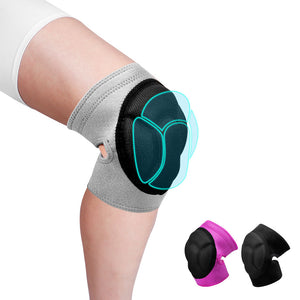
Good Knee Braces
- Black
- Green
- Orange
- Pink
- Black
- Blue
- Green
- Red
- Orange
- Blue
- Dark Blue
- Black
- White
- Red
- Blue
- Black
- Blue
- Red
- Orange
- Yellow
- Black
- Blue
- Green
- Red
- Blue
- Black
- White
- Red
- Dark Blue
- Grey
- Black
- Blue
- Pink
- Grey
- Black
- White
- Light Black
- Black
- Light Grey
- Grey
- Magenta
- Black
- Green
- Black
- Grey
- Red
- Blue
Open or Closed Knee Brace: Which Is Better?
Joint discomfort, instability, or recovery from a sports injury can make daily activities incredibly challenging. Finding the right joint support is essential for proper healing, enhanced athletic performance, and everyday pain management. When navigating joint stabilization options, a common question is about design functionality. Understanding whether an exposed or covered patella design fits your specific lifestyle, injury type, and comfort preferences is the first step toward effective rehabilitation and long-term joint health.
The Mechanics of Joint Support
The Benefits of an Open Patella Design
An open knee brace features a distinct circular opening right over the kneecap. This specialized design helps manage specific types of joint discomfort by improving ventilation and significantly reducing direct pressure on the sensitive front of the leg.
Rehabilitation professionals frequently suggest this style for individuals dealing with localized pain around the kneecap. Conditions such as patellar tendinitis, patellofemoral pain syndrome, runner's knee, and mild arthritis respond particularly well to this configuration. The strategic cutout helps guide the kneecap into proper alignment during movement, promoting optimal patellar tracking and minimizing grinding sensations. While this flexible design helps reduce localized swelling and provides excellent breathable comfort, it may not offer the rigid immobilization required for severe structural injuries.
The Advantages of a Closed Patella Design
Conversely, a closed knee brace provides a continuous, seamless sleeve of supportive fabric that covers the entire joint without any cutouts. This full-coverage approach delivers consistent, uniform compression across the whole area, making it highly effective for generalized swelling, heat retention, and overall joint stabilization.
If you are recovering from reconstructive surgery, severe ligament strains (such as ACL or MCL tears), or meniscus damage, this comprehensive design is generally the superior choice. Continuous compression therapy helps to drastically improve blood circulation throughout the joint tissues, accelerating natural healing processes and flushing out excess fluid. Furthermore, athletes who engage in high-impact activities like heavy weightlifting, sprinting, or basketball often prefer this style for its ability to firmly anchor the ligaments and muscles. Finding a good knee brace with a closed design can mean the difference between confidently returning to demanding physical activities and experiencing recurring joint instability.
Key Factors to Consider When Choosing
Selecting the perfect joint sleeve goes beyond simply picking a style off the shelf. Consider the following crucial factors to optimize your recovery and athletic performance:
Severity and Type of Injury
The nature of your underlying condition dictates the level of immobilization required. Mild muscle strains, daily joint aches, and kneecap alignment issues typically benefit from the breathable, targeted relief of a cutout model. In contrast, complex joint trauma, postoperative rehabilitation, and significant ligamentous laxity demand the robust, uniform compression of a solid sleeve to prevent hazardous lateral movements.
Daily Activities and Athletic Pursuits
Your daily lifestyle is a major determining factor in finding the right fit. If your routine involves prolonged sitting, repetitive bending, or working in warm environments, an exposed kneecap design provides necessary airflow and prevents excessive sweating behind the joint. However, if you're doing heavy weight-bearing exercises or competitive sports, the continuous fabric of a covered model keeps the joint warm, lubricated, and securely wrapped to prevent hyperextension.
Comfort and Long-Term Wearability
Consistency is critical for long-term recovery. If a support device is bulky or uncomfortable, you will likely stop wearing it, stalling your rehabilitation progress. Good knee braces should feel securely snug but never restrict blood flow, pinch the skin, or cause painful chafing during repetitive movements.