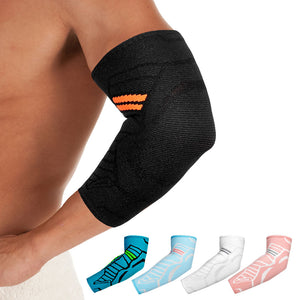
Best Brace for Meniscus Tear
- Black
- Green
- Orange
- Pink
- Black
- Blue
- Green
- Red
- Orange
- Blue
- Dark Blue
- Black
- White
- Red
- Blue
- Black
- Blue
- Green
- Red
- Black
- Blue
- Red
- Orange
- Yellow
- Blue
- Black
- White
- Red
- Dark Blue
- Grey
- Black
- Blue
- Pink
- Grey
- Black
- White
- Light Black
- Black
- Light Grey
- Grey
- Magenta
- Black
- Green
- Black
- Grey
- Red
- Blue
Is Walking Good for a Torn Meniscus?
Suffering from sudden knee pain can be incredibly disruptive to your daily routine, especially when it limits your mobility. When you receive a diagnosis of a torn cartilage, specifically a meniscus injury, you might wonder how to modify your lifestyle for optimal recovery. Whether walking is beneficial is a bit complex. In some cases, controlled, low-impact walking can speed healing, while in others, it may worsen the injury and lead to further joint instability.
Understanding Meniscus Injuries and Joint Mobility
The meniscus acts as a crucial shock absorber located between your thigh bone and shinbone. When it tears—often from a sudden twist, a high-impact sports injury, or age-related wear and tear—it typically causes inflammation, joint stiffness, and distinct discomfort. Maintaining joint mobility is often essential for recovery, but the right approach depends heavily on the severity and location of the cartilage damage.
When Walking Helps Mild Tears
For minor or mild tears, adding short, slow walks to your daily routine can be highly beneficial. Gentle movement helps keep the knee joint mobile and prevents the surrounding leg muscles from atrophying due to inactivity. Furthermore, walking promotes healthy blood circulation around the knee capsule. Because the inner portion of the meniscus has a notoriously limited blood supply, this increased circulation delivers vital nutrients and oxygen, which supports the body's natural healing process.
Crucial Precautions for Walking with a Knee Injury
While light activity can be therapeutic and excellent for joint health, it is crucial to take necessary precautions to avoid aggravating the joint. This is where proper joint stabilization comes in. Finding the best brace for meniscus tear is an essential step that can make a significant difference in your daily comfort and long-term recovery. A suitable, high-quality brace should offer targeted stability to the compromised knee joint without hindering your natural stride.
The Importance of Proper Knee Support
Your chosen support garment must be expertly designed to limit excessive side-to-side movement, as lateral instability could put further stress on the already torn meniscus. It should also fit precisely and ergonomically. The material needs to be snug enough to provide structural support and soothing compression, but certainly not so tight that it causes throbbing discomfort or restricts optimal blood flow to the lower leg. Adjustable straps are often recommended, as they allow a customized fit that can be easily adapted as joint swelling fluctuates throughout the day.
Paying Attention to Your Gait and Stride
During your walking sessions, you must pay close attention to your biomechanics and overall gait. Maintaining an even, steady, deliberate pace helps distribute your body weight across the entire knee rather than concentrating pressure on the injured cartilage. Avoid uneven terrain, steep inclines, or hard concrete surfaces when possible. If you feel sharp pain increasing or notice sudden swelling while walking, stop immediately, elevate the leg, and rest.
When to Avoid Walking on a Torn Meniscus
For more severe meniscus injuries, such as complex root tears or bucket-handle tears, walking may not be advisable without first consulting a certified healthcare professional or physical therapist. In severe cases, the knee may be structurally unstable, and weight-bearing activity could cause further cartilage damage, joint locking, or early-onset osteoarthritis.
Seeking Professional Treatment and Rehabilitation
If conservative management, rest, and icing do not improve symptoms, surgery may be required to repair or trim the torn tissue. Post-surgery, patients are typically placed on a highly specific rehabilitation plan. With the careful guidance of targeted physical therapy exercises and an appropriate knee brace, you will gradually reintroduce weight-bearing activities. Always listen to your body's signals and follow professional medical advice to help your knee heal properly so you can safely return to a pain-free, active lifestyle.