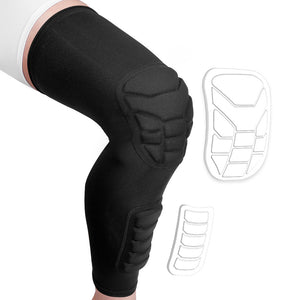
Brace for Torn Meniscus
- Black
- Green
- Orange
- Pink
- Black
- Blue
- Green
- Red
- Orange
- Blue
- Dark Blue
- Black
- White
- Red
- Blue
- Black
- Blue
- Red
- Orange
- Yellow
- Black
- Blue
- Green
- Red
- Blue
- Black
- White
- Red
- Dark Blue
- Grey
- Black
- Blue
- Pink
- Grey
- Black
- White
- Light Black
- Black
- Light Grey
- Grey
- Magenta
- Black
- Green
- Black
- Grey
- Red
- Blue
What should you not do with a torn meniscus?
Sustaining a knee cartilage injury can bring your daily routine to a grinding halt. The meniscus is a vital C-shaped piece of cartilage that acts as a shock absorber between your shinbone and thighbone. Because it bears the brunt of your daily movements, it is highly susceptible to injury. If you have recently been diagnosed with a meniscus tear, knowing how to protect the knee joint is just as crucial as knowing how to treat it.
Whether you are aiming for conservative treatment or preparing for physical therapy, making the wrong moves can prolong your recovery time or turn a minor issue into a severe injury requiring surgery. Here is a comprehensive guide on what you should avoid doing when you have a torn meniscus.
Activities and Habits to Avoid with a Meniscus Tear
To prevent further cartilage damage and manage knee joint pain effectively, you must modify your physical activities. Avoid the following movements at all costs:
Do Not Engage in High-Impact Sports
One of the most detrimental things you can do is continue participating in high-impact activities. Running, jumping, or engaging in sports that require sudden pivoting, cutting, or twisting—such as basketball, tennis, soccer, or skiing—can severely exacerbate the tear. These dynamic movements place immense rotational force on the knee, which can cause the torn edges of the meniscus to catch, fray, or tear further.
Avoid Deep Squats and Extreme Knee Bends
When looking up meniscus tear exercises to avoid, deep squats, lunges, and extreme knee bends should be at the very top of your list. Bending the knee beyond 90 degrees compresses the cartilage significantly under the weight of your body. This intense, crushing pressure can pinch the injured area, causing sharp pain, increasing joint inflammation, and making the natural healing process much more difficult.
Steer Clear of Heavy Lifting and Prolonged Standing
Putting too much weight on an injured knee is a recipe for delayed healing. Avoid standing for long hours, carrying heavy objects, or walking long distances without assistance. Excessive weight-bearing forces your damaged shock absorber to work overtime, which can worsen the tear and lead to chronic joint stiffness. If your daily routine requires prolonged standing, consider taking periodic breaks to sit and elevate your legs.
Everyday Mistakes That Delay Meniscus Healing
Recovery is not just about avoiding the gym; it is also about managing your day-to-day habits. Pay close attention to these common recovery mistakes:
Never Ignore Pain, Swelling, or Catching Sensations
A "no pain, no gain" mentality will only set your recovery back. If you experience sharp pain, sudden swelling, or a sensation that your knee is catching, clicking, or locking up, stop what you are doing immediately. Pushing through discomfort is a dangerous mistake that can lead to permanent mobility issues. Rest, ice, compression, and elevation (the RICE method) are foundational steps for healing. Listen to your body and give it the downtime it strictly requires.
Don't Skip Proper Joint Protection
Walking around without adequate joint stabilization leaves your knee incredibly vulnerable to accidental twists, hyperextension, and sudden episodes of giving way. For optimal recovery, you should not skip wearing protective support. Utilizing a properly fitted brace for a torn meniscus can offer targeted support and significantly reduce strain on the injured cartilage. This essential layer of protection helps stabilize your structure, improves your confidence in your stride, and reduces discomfort during your daily movements.
Do Not Sleep in Unsupported Positions
Many people wonder how to sleep with a torn meniscus without waking up in agony. Avoid sleeping on your stomach or in awkward positions that twist your legs. If you are a back sleeper, place a pillow under your injured knee to keep it slightly elevated and comfortably bent. If you prefer sleeping on your side, place a firm pillow between your knees. This maintains proper hip and leg alignment, preventing unnecessary overnight stress and rotational pull on the joint.
Moving Forward: Proper Care and Recovery
By strictly following these precautions, you can protect your knee from further harm while promoting optimal healing and recovery. Keep in mind that cartilage has a limited blood supply, meaning patience and strict adherence to a safe routine are your best tools for getting back on your feet. Always consult with a healthcare professional or an orthopedic specialist to confirm your diagnosis and develop a personalized treatment plan tailored to the exact location and severity of your tear.