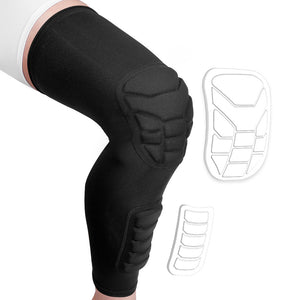
Achilles Support Brace
- Black
- Orange
- Green
- Pink
- Black
- Grey
- Blue
- Pink
- Purple
- Black
- Red
- Blue
- Orange
Is There a Brace for Achilles Tendon?
Every single step we take places significant force on the lower leg, especially during running, jumping, or other high-impact athletic activities. When the Achilles tendon becomes irritated, inflamed, or fatigued from overuse and repetitive strain, even the most basic daily movements can feel incredibly uncomfortable. Providing this vital band of tissue with the right level of targeted support is essential. It helps us stay active, maintain our daily mobility, and significantly reduce unnecessary stress during rehabilitation and recovery.
How an Ankle Brace for Achilles Reduces Strain
When dealing with discomfort at the back of the heel or tightness in the lower calf, many active individuals look for effective ways to stabilize the area. An ankle brace for the Achilles helps control unnecessary ankle movement that can add tension and microtrauma to the tendon. Instead of forcing the joint to remain completely rigid and immobile, a well-designed support provides gentle compression and structural reinforcement that encourages more controlled, biomechanically correct movement. This strategic stabilization makes daily activities, long walks, and light exercise feel much safer while actively reducing unnecessary stress on the heel cord.
What to Look for in an Ankle Achilles Brace
To truly benefit from lower-leg stabilization, a dependable ankle-Achilles brace should be engineered for both performance and everyday practicality. It needs to be comfortable and breathable enough to wear all day, yet supportive enough to keep up with a demanding physical routine. Whether you are cautiously returning to a fitness program, spending long hours on your feet at your job, or simply looking for extra joint protection during recreational sports, the right protective gear is crucial. Ideal features include moisture-wicking fabrics, adjustable compression straps, and a slim, ergonomic profile that fits easily inside standard athletic footwear or work shoes.
Combining Support with Smart Recovery Strategies
While a supportive brace is an excellent step toward managing heel and calf discomfort, it works best when integrated into a comprehensive wellness routine. The right brace works seamlessly alongside proper physical rehabilitation, gentle flexibility exercises, adequate rest, and smart training habits. By actively managing the physical load placed on your lower extremities and preventing sudden overextension, you create an optimal environment for your body to heal. Together, these proactive strategies help us move more confidently, recover more efficiently from lower-body fatigue, and safely return to the activities we truly enjoy without the constant worry of re-injury.