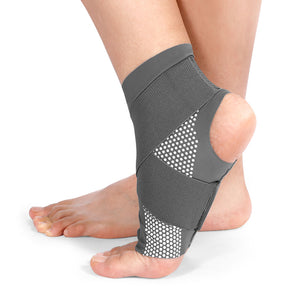
Brace for Achilles
- Black
- Grey
- Blue
- Pink
- Purple
- Black
- Orange
- Green
- Pink
- Black
- Red
- Blue
- Orange
What should I wear for the Achilles tendon?
Dealing with Achilles tendon pain, whether from an acute sports injury, repetitive strain, or chronic Achilles tendinitis, can severely disrupt your active lifestyle. Because this thick band of tissue connects your calf muscles to your heel bone, it bears a tremendous amount of stress and body weight with every step you take. Wearing the right supportive gear is one of the most effective strategies for managing discomfort, reducing inflammation, and promoting optimal, long-term healing.
If you are wondering how to best support your lower leg and ankle during recovery, here is a comprehensive guide to what you should consider wearing to get back on your feet safely.
Essential Gear for Achilles Tendon Support
Finding the right combination of support garments and footwear can make a massive difference in your daily comfort. Here are the top recommendations for managing Achilles tendon issues and preventing further damage:
1. Dedicated Ankle Bracing
One of the most effective ways to stabilize the injured area is by utilizing a brace for the Achilles tendon. This type of support is specifically engineered to limit excessive stretching and erratic ankle movements that can aggravate microscopic tears in the tendon. By providing targeted compression and structural stability, the brace encourages proper biomechanical movement. Many modern designs feature adjustable tension straps, allowing you to customize the fit depending on your swelling levels or daily activity. Furthermore, high-quality options often incorporate heel lifts or soft silicone inserts that absorb shock and reduce tension on the tendon while you walk, jog, or climb stairs.
2. Tailored Brace Designs
When searching for the right fit, you will find that a specialized brace Achilles profile is designed to easily slip into your everyday walking or running shoes without causing uncomfortable bulk. The goal of this specific ergonomic design is to provide continuous, day-long support without rubbing against the sensitive, inflamed tissue at the back of your heel. Wearing this support system during your most active hours helps keep the tendon secure, thereby reducing the risk of a mild muscle strain worsening into a severe tendon rupture.
3. Supportive, Shock-Absorbing Footwear
What you put on your feet is just as important as the ankle support you choose. Avoid completely flat shoes, zero-drop running sneakers, or unsupportive sandals, as these force the Achilles tendon to stretch further and work harder with every step. Instead, opt for orthopedic or athletic footwear that offers robust arch support, excellent heel cushioning, and a slight heel elevation (often referred to as a "heel drop"). Elevating the heel slightly shortens the distance between the calf muscle and the heel bone, instantly relieving tension on the tendon and minimizing sharp heel pain.
4. Graduated Compression Socks and Sleeves
To complement your primary structural support, compression therapy is highly beneficial for Achilles tendinitis and general foot fatigue. Graduated compression socks or targeted ankle sleeves apply gentle, continuous pressure to the lower leg. This therapeutic action improves local blood circulation and flushes out excess fluid, significantly reducing swelling and morning joint stiffness. For maximum rehabilitation benefits, pairing your compression wear with Achilles braces can accelerate your recovery timeline, keep the connective tissues warm, and provide an extra layer of soothing pain relief during both rest and physical exertion.
Integrating Stretching and Active Recovery
While knowing exactly what to wear is a fundamental part of treating tendon pain, passive support should always be combined with active rehabilitation. It is highly recommended to wear your supportive gear during physical activity, prolonged standing, or exercise routines to guard against accidental overexertion.
However, to fully rehabilitate the tendon and prevent future injuries, you must incorporate a structured stretching and strengthening routine. Physical therapy exercises, such as eccentric calf drops, seated towel stretches, and resistance band work, are vital components of recovery. Strengthening the surrounding calf muscles reduces the everyday load placed directly on the Achilles tendon, making your lower leg more resilient to the heavy demands of walking, running, and jumping.
Final Thoughts on Managing Heel and Tendon Pain
Overcoming Achilles tendon discomfort requires a multifaceted approach. By intelligently combining structured ankle supports, ergonomically designed footwear, and soothing compression garments, you create the ideal physical environment for your body to heal itself. Listen to your body, avoid pushing through sharp pain, and wear your supportive gear consistently to safely navigate your way back to a pain-free, active lifestyle.