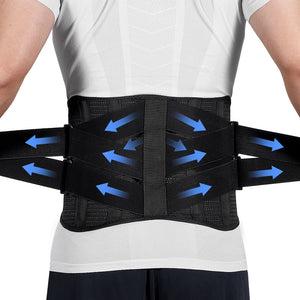
Leg Support Brace
- Black
- Green
- Orange
- Pink
- Black
- Blue
- Green
- Red
- Orange
- Blue
- Dark Blue
- Black
- White
- Red
- Blue
- Black
- Blue
- Red
- Orange
- Yellow
- Black
- Blue
- Green
- Red
- Blue
- Black
- White
- Red
- Dark Blue
- Grey
- Black
- Blue
- Pink
- Grey
- Black
- White
- Light Black
- Black
- Light Grey
- Grey
- Magenta
- Black
- Green
- Black
- Grey
- Red
- Blue
What Condition Requires Leg Braces?
Leg braces—often called orthotic leg supports—are effective, essential aids that help people manage mobility, stability, and alignment challenges. Thousands of people rely on these supportive tools to strengthen weakened lower extremities, correct posture, and ultimately reclaim their independence. Whether you are dealing with a chronic illness, recovering from a traumatic sports injury, or managing a lifelong neurological disorder, understanding the medical conditions that necessitate orthotic support is the first step toward better mobility and pain management.
Neurological Disorders and Motor Function
Conditions originating in the brain or nervous system can severely affect how the lower body's muscles function, making external stabilization necessary.
Cerebral Palsy
One of the most frequent reasons for prescribing lower extremity support is cerebral palsy. This neurological condition heavily impacts muscle control, coordination, and posture, often resulting in hypertonia (stiff muscles) or hypotonia (weak muscles). For growing children and adults alike, specialized braces are essential. They help straighten the legs, prevent permanent joint contractures, and encourage a more natural walking gait, significantly reducing long-term skeletal deformities.
Stroke Rehabilitation
A stroke can cause profound neurological impairments, frequently leading to hemiplegia—paralysis or severe weakness on one side of the body. A common resulting condition is "foot drop," where lifting the front part of the foot becomes difficult, increasing the risk of tripping. During stroke rehabilitation, a supportive brace provides the rigid stability required to keep the foot elevated and the knee securely locked during walking practice, accelerating recovery and boosting patient confidence.
Polio and Post-Polio Syndrome
Although widespread vaccination has largely eradicated the virus, many older adults still deal with the lingering effects of polio or Post-Polio Syndrome. This condition triggers delayed muscle weakness, fatigue, and joint deterioration decades after the initial infection. To effectively manage this progressive weakness, individuals utilize comprehensive orthotic solutions to maintain balance, support weakened limbs, and prevent dangerous falls.
Orthopedic and Joint-Related Conditions
When the skeletal system and its connecting tissues begin to break down, braces act as external shock absorbers and stabilizers.
Osteoarthritis and Rheumatoid Arthritis
Arthritis remains one of the leading causes of chronic joint pain and mobility loss. Osteoarthritis involves the gradual wear and tear of joint cartilage, while rheumatoid arthritis is an autoimmune condition that causes painful joint inflammation. Both conditions can lead to severe structural deformities in the knees and ankles. By reducing bone-on-bone pressure and stabilizing affected joints, braces help ease daily pain, delay the need for invasive joint replacement surgery, and preserve overall mobility.
Structural Misalignments
Not all conditions stem from disease or injury; some are structural anomalies that develop over time or are present from birth. For example, genu valgum is a structural issue where the knees angle inward. To correct alignment and distribute weight evenly across the lower body, individuals with knock knees often use leg braces. These targeted supports gently realign the skeletal structure, easing the immense strain placed on the inner knee ligaments and surrounding tendons.
Managing Progressive Muscle Weakness
Certain genetic disorders require proactive physical management to keep patients mobile for as long as possible.
Muscular Dystrophy
Muscular dystrophy encompasses a group of genetic disorders characterized by progressive muscle degeneration and weakness. As the disease advances, simple tasks like standing from a seated position or walking short distances become incredibly taxing. Lower-body braces provide crucial external rigidity. By replacing lost muscle strength with structural support, these devices extend an individual's ability to stay mobile and participate in daily routines.
Trauma, Sports Injuries, and Post-Surgical Recovery
Accidents happen, and recovery often requires strict immobilization to ensure proper healing. Severe bone fractures, torn ligaments (such as ACL or MCL tears), and tendon ruptures demand immediate stabilization. Following a severe trauma or a major orthopedic surgery, the temporary use of knee and leg braces becomes a mandatory phase of the healing journey. These devices restrict harmful movements, reduce localized swelling, and protect fragile tissues as they mend, drastically reducing the risk of reinjury.
Finding the Right Fit for Every Body Type
The effectiveness of any orthotic device heavily relies on how well it fits the user. Ill-fitting supports can cause skin irritation, restrict blood circulation, or simply fail to provide the intended stability. In today’s inclusive market, there is a strong focus on providing tailored solutions that cater to diverse anatomies. For instance, Knee braces for plus-size legs are specifically engineered with wider straps, reinforced hinges, and breathable materials to prevent rolling, bunching, and slipping. This ensures everyone, regardless of leg circumference or body weight, gets optimal joint support and all-day comfort.