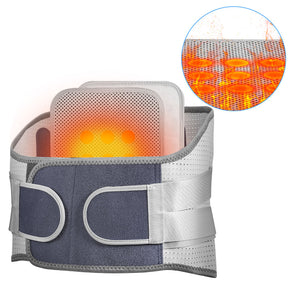
IT Band Brace
- Black
- Green
- Orange
- Pink
- Black
- Blue
- Green
- Red
- Orange
- Blue
- Dark Blue
- Black
- White
- Red
- Blue
- Black
- Blue
- Green
- Red
- Black
- Blue
- Red
- Orange
- Yellow
- Blue
- Black
- White
- Red
- Dark Blue
- Grey
- Black
- Blue
- Pink
- Grey
- Black
- White
- Light Black
- Black
- Light Grey
- Grey
- Magenta
- Black
- Green
- Black
- Grey
- Red
- Blue
Will a Brace Help with IT Band Syndrome?
Have you recently experienced a sharp, nagging pain on the outside of your knee during a run, hike, or cycling session? You might be dealing with Iliotibial (IT) band syndrome. As one of the most common overuse injuries among active individuals, this condition can quickly sideline your fitness goals and turn everyday movements into a painful chore. If you are searching for effective relief from outer knee pain, you have likely wondered whether extra support could be the answer.
Understanding Iliotibial (IT) Band Syndrome
Before exploring treatment options, you need to understand the root cause of the discomfort. The IT band is a thick, fibrous band of connective tissue, or fascia, that runs from the outside of your hip and pelvis, down the lateral side of your thigh, and attaches just below your knee. Its primary job is to stabilize the knee joint during dynamic movement.
When you repeatedly flex and extend your knee—such as when running, climbing stairs, or pedaling—the IT band can become excessively tight. This tension causes the tissue to rub against the bony prominence on the outside of the knee joint. Over time, this irritating friction leads to localized inflammation, micro-tearing, and a stinging or snapping sensation known as IT band syndrome.
The Role of an IT band brace in Pain Relief
When dealing with this frustrating injury, many athletes and fitness enthusiasts turn to supportive gear to keep them moving. But how effective is it? The short answer is that targeted bracing can be a useful tool for managing lateral knee pain and supporting active recovery.
The primary purpose of this type of support is to deliver targeted compression, stability, and warmth to the affected area. By applying gentle, external pressure just above the knee joint, the strap helps to temporarily pin the IT band down. This slight structural shift significantly reduces the friction and rubbing against the bone, alleviating sharp pain during repetitive movements. Furthermore, the snug compression increases localized blood flow to the inflamed region, which encourages cellular repair, flushes out metabolic waste, and accelerates the natural healing process.
When Should You Wear Knee Support?
Timing is everything when it comes to utilizing joint support effectively. You might be tempted to wear your compression gear all day to ward off potential discomfort, but that's highly counterproductive.
Generally, wear the brace only during physical activities that typically trigger pain or discomfort. Putting it on before a light jog, a brisk walk, or a cycling session provides the dynamic stabilization your knee needs while in motion. Conversely, don't wear it continuously throughout the day while resting, sitting at a desk, or sleeping. Relying heavily on external support when your muscles are inactive can lead to tissue dependency, potentially weaken the surrounding stabilizing muscles, and ultimately worsen the underlying condition over time.
Combining Bracing with a Comprehensive Recovery Plan
While a supportive strap is an excellent way to reduce symptoms and stay active, it works best as one piece of a broader rehabilitation puzzle. To truly overcome iliotibial band friction syndrome and prevent it from recurring, a comprehensive and proactive approach is required
Physical Therapy and Strengthening
Weak hip and gluteal muscles are often the hidden culprits behind IT band tightness. When your hips cannot properly stabilize your pelvis during movement, your IT band overcompensates and absorbs excess stress. Incorporating targeted strength training, such as clam shells, lateral leg raises, and squats, can correct these muscular imbalances and take the load off your knee.
Flexibility and Foam Rolling
Stretching the surrounding musculature, particularly the tensor fasciae latae (TFL) at the top of the hip, helps release the tension that travels down the leg. Using a foam roller or massage gun on the quadriceps and hamstrings around the IT band can improve tissue mobility, break up adhesions, and promote faster recovery.
Proper Footwear Assessment
Your feet are the foundation of your body’s alignment. Worn-out running shoes or a lack of proper arch support can alter your biomechanics and place unnatural stress on the lateral knee joint. Replacing athletic footwear every 300 to 500 miles and ensuring your shoes suit your specific gait—such as addressing overpronation—can drastically reduce your risk of injury.