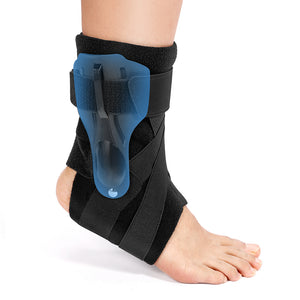
Foot Brace for Achilles Tendonitis
- Black
- Orange
- Green
- Pink
- Black
- Grey
- Blue
- Pink
- Purple
- Black
- Red
- Blue
- Orange
What are Two Signs of Achilles Tendonitis?
Achilles tendonitis is a highly common overuse injury affecting the thick band of fibrous tissue that connects your calf muscles to your heel bone. Whether you are an avid runner, a weekend warrior, or someone who simply spends long hours standing, putting excessive stress on your lower body can easily lead to Achilles tendon inflammation. Recognizing the early symptoms of this condition is crucial to support a faster recovery and prevent long-term structural damage. If you are experiencing discomfort in the back of your ankle, you might be wondering which red flags to watch for. The two most prominent signs of Achilles tendonitis are localized pain with stiffness and visible swelling around the heel.
1. Localized Pain and Morning Stiffness
One of the primary and most noticeable signs of Achilles tendonitis is distinct, throbbing pain along the back of the leg, typically just above the heel. In the early stages, this heel pain may start as a mild ache after sports training, jogging, or climbing stairs. However, without proper intervention, the discomfort can quickly escalate and disrupt your daily routine.
You may notice the pain isn't always constant. It often worsens during intense physical exertion and tends to ease slightly with rest. As the tendon inflammation progresses, many individuals experience severe morning stiffness. When you take your first few steps out of bed, ankle movement can feel severely restricted and painful. This stiffness happens because the tendon tightens during prolonged inactivity, making it hard to flex your foot, walk comfortably, or maintain a regular workout routine.
2. Swelling, Warmth, and Tenderness
The second undeniable sign of Achilles tendonitis is localized swelling in the lower Achilles region. When the tendon is overworked and microscopic tears develop, your body naturally responds with inflammation. This swelling is often accompanied by the area feeling unusually warm to the touch and highly tender when gently pressed.
The swelling's intensity can fluctuate based on the severity of the tendon strain and your recent activity level. You may even find that the back of your ankle looks visibly thicker compared to your uninjured leg. This inflammation can also make certain footwear incredibly uncomfortable. Shoes with stiff backs can rub against the tender, swollen heel, causing agonizing friction that further hinders your ability to perform everyday activities, commute, or enjoy a simple walk.
Effective Strategies for Achilles Tendonitis Relief
If you have these symptoms, prioritizing proper support and targeted treatment is essential for full healing. Ignoring the nagging pain can lead to chronic degradation of the tendon, making recovery much more difficult.
One highly effective strategy for managing this ankle injury is wearing a foot brace for Achilles tendonitis. A specialized brace provides much-needed stability to the ankle joint and actively reduces the mechanical strain placed on the Achilles tendon with every step you take. By slightly elevating the heel and providing targeted compression, this support alleviates pressure, improves blood circulation, and creates an optimal environment for tissue healing. A supportive brace helps individuals return to their active lifestyles more comfortably and confidently.
Additional Conservative Recovery Methods
Alongside utilizing targeted ankle support, a comprehensive recovery plan should include:
- Rest and Activity Modification: Switch to low-impact exercises like swimming or cycling to maintain your cardiovascular fitness without overloading the calf muscles and heel.
- Cold Therapy: Applying ice packs to the swollen area for 15 to 20 minutes several times a day can drastically reduce inflammation and help numb the sharp, restrictive pain.
- Targeted Physical Therapy: A guided stretching and strengthening program can help rebuild the surrounding calf muscles, restore tendon flexibility, and prevent future lower-leg injuries.
By catching the signs of Achilles tendonitis early and using these conservative management techniques, you can reduce inflammation and get back on your feet pain-free.