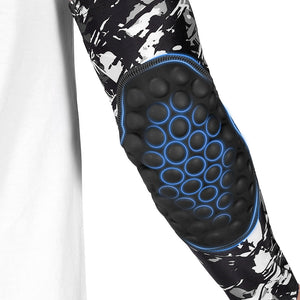
J Brace
- Black
- Orange
- Green
- Pink
- Black
- Grey
- Blue
- Pink
- Purple
- Black
- Red
- Blue
- Orange
What is the J-Shaped Knee Cap?
The human knee is an incredibly complex joint, and its proper function relies heavily on precise structural alignment. Among the various anatomical differences people experience, the J-shaped kneecap stands out as a unique variation in patellar morphology. Simply put, this condition is characterized by a kneecap shape that mimics the curve of the letter "J". This distinct contour typically indicates a specific, and sometimes problematic, orientation of the patella in relation to the femur (thigh bone) and the tibia (shin bone).
Understanding this biomechanical configuration is crucial because it can significantly alter how the joint moves. Often, this variation leads to patellar maltracking, a condition where the kneecap does not glide smoothly within its designated groove during movement. Over time, this irregularity can cause a cascade of knee-related issues, creating discomfort, stiffness, and joint friction that hinders daily mobility.
The Biomechanical Impact on Active Lifestyles
For individuals who lead a sedentary lifestyle, a J-shaped patella might not cause immediate alarm. However, for fitness enthusiasts, athletes, or anyone engaged in high-impact activities, this structural anomaly can become a major hurdle. Activities like High-Intensity Interval Training (HIIT), heavy weightlifting, sprinting, and plyometrics put immense downward and shearing forces on the lower body.
When you perform a squat, lunge, or jump, a properly aligned kneecap distributes the physical stress evenly across the joint. Conversely, a J-shaped kneecap can cause the stress to concentrate heavily on specific areas of the cartilage. This uneven distribution frequently results in anterior knee pain, a popping sensation during leg flexion, and a heightened risk of overuse injuries. Recognizing these early warning signs is the first step toward safeguarding your joint health.
Stabilizing the Joint: The Role of the J brace
Addressing patellar maltracking and joint instability requires targeted support. This is where specialized gear becomes an invaluable addition to your fitness routine. For those dealing with this specific alignment issue, a J-brace is a highly effective solution.
Designed specifically to accommodate unique patellar shapes, this specialized knee support wraps securely around the joint to provide essential, dynamic stabilization of the patella. Unlike standard compression sleeves, its unique structural design allows for a completely personalized fit around the knee. Contouring directly to the natural anatomy of the leg helps physically guide the kneecap into a healthier, straighter tracking path.
How Targeted Compression Enhances Recovery
Applying the right amount of pressure is key to effective joint management. By using targeted compression, the brace helps correct patellar alignment in real time. This mechanism distributes physical forces much more evenly across the ligaments and tendons, instantly alleviating daily discomfort. Furthermore, maintaining proper warmth and circulation around the joint aids faster recovery after rigorous workout sessions, prevents stiffness from settling in, and supports better overall tissue health.
Boosting Athletic Performance and Confidence
Beyond simply managing pain, wearing appropriate joint support during demanding workouts can drastically enhance your overall athletic performance. The fear of a joint giving out, slipping, or shifting painfully can severely limit your range of motion and workout intensity. By instilling renewed confidence in the knee's stability, supportive accessories serve as both a psychological and a physical safety net.
This added security is particularly beneficial for active individuals recovering from previous joint strains or those who are naturally prone to patellar maltracking due to their J-shaped kneecap. The gear functions perfectly as a preventive measure against future setbacks and as a reliable means of ongoing physical rehabilitation. It empowers individuals to return to their favorite sports, gym classes, and outdoor hobbies safely and without hesitation.
Proactive Steps for Long-Term Joint Health
The continuous advancement of supportive fitness accessories illustrates the importance of proactively addressing joint-related challenges, especially for those engaged in rigorous physical routines. No one should have to give up their passion for fitness due to anatomical variations. By adopting proactive preventive measures, focusing on proper exercise form, and utilizing specialized protective gear, you can take control of your physical well-being. Ultimately, understanding your body's unique mechanics allows you to maintain optimal mobility, achieve peak athletic performance, and significantly minimize the daily risk of joint fatigue and injury.